2026-10-19 · Roberto Alvarez
Dumpster Rental Size Guide for Los Angeles Home Renovations
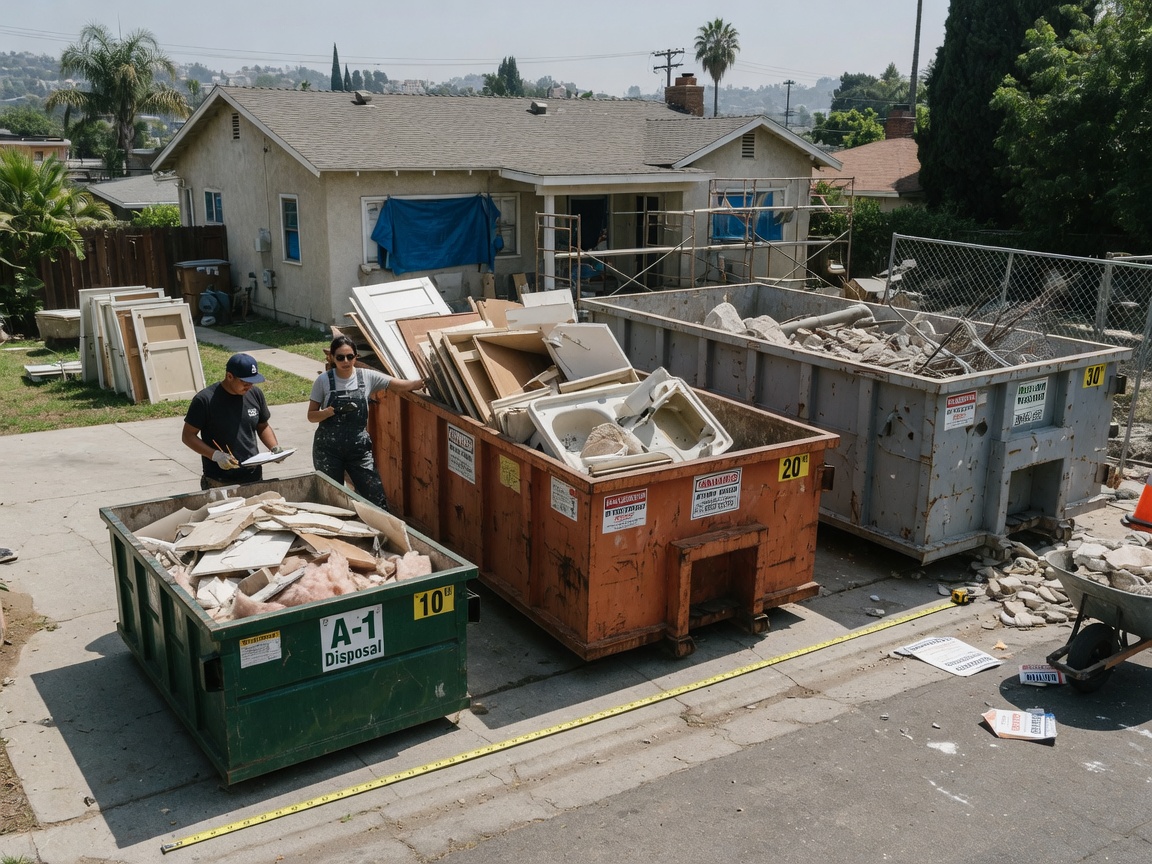
For typical Los Angeles home renovations such as kitchen updates or bathroom remodels, 10- to 20-yard dumpsters handle most loads without excess cost or space issues. Larger projects like full-home gut jobs or additions in neighborhoods with pre-1950s housing often need 30- or 40-yard units to stay efficient.
Matching Dumpster Sizes to Common Renovation Projects
Los Angeles homes range from Craftsman bungalows in Echo Park and Silver Lake to mid-century ranches in Westwood and Boyle Heights. A 10-yard dumpster fits a single-room gut or small kitchen tear-out, holding roughly 3-4 tons of drywall, cabinets, and fixtures. 20-yard units cover most bathroom remodels plus flooring removal across two rooms, common in Hollywood and Koreatown properties built in the 1920s-1940s. When adding square footage or re-roofing in areas like South Central or Watts, a 30-yard dumpster manages lumber, shingles, and concrete without multiple hauls. Full structural renovations or garage conversions in older Downtown stock usually require the 40-yard size to keep pace with daily debris volume. Residential Dumpster Rental covers these typical scopes while Construction Dumpster Rental addresses heavier mixed loads.
Local Housing Stock and Terrain Factors
Many Los Angeles neighborhoods feature narrow lots and steep driveways, especially around Griffith Observatory overlooks or Santa Monica Canyon homes. These conditions limit larger roll-off placement and favor 20-yard containers that fit standard residential alleys. Older plaster walls and concrete foundations in East Los Angeles and Boyle Heights generate denser waste than newer builds, so crews often select one size larger than volume estimates suggest. Pasadena and Glendale hillside properties add soil and retaining-wall debris that increases weight quickly, pushing projects toward 30-yard units with careful loading. Flat lots in parts of South Central allow easier maneuvering of bigger containers when street parking is available.
Weather Patterns and Debris Handling
Los Angeles Mediterranean climate brings dry summers that keep debris light and manageable in open dumpsters, while occasional winter rains require tarping to avoid weight spikes from wet drywall and insulation. Projects scheduled during the rainy season benefit from covered loads or same-day swaps to prevent overflow. Handling Wet Debris During Los Angeles Rainy Season explains how to stage materials on jobs in Venice or Silver Lake when storms hit. Dry conditions in Burbank and Glendale summers allow faster fill rates, so contractors often book 20-yard rentals for steady weekend progress without weather delays.
Street Placement and Permit Realities
Narrow streets in Echo Park, Silver Lake, and parts of Koreatown make alley or driveway placement preferable, but sidewalk or curb use triggers city rules. City Permit Requirements for Street Placement in Los Angeles outlines the process for any container left on public right-of-way near Los Angeles City Hall or Dodger Stadium traffic routes. Homeowners in Santa Monica and Westwood frequently need extra lead time for approvals due to stricter coastal and university-adjacent rules. Proper sizing reduces the number of swaps, lowering both permit fees and street congestion in dense blocks.